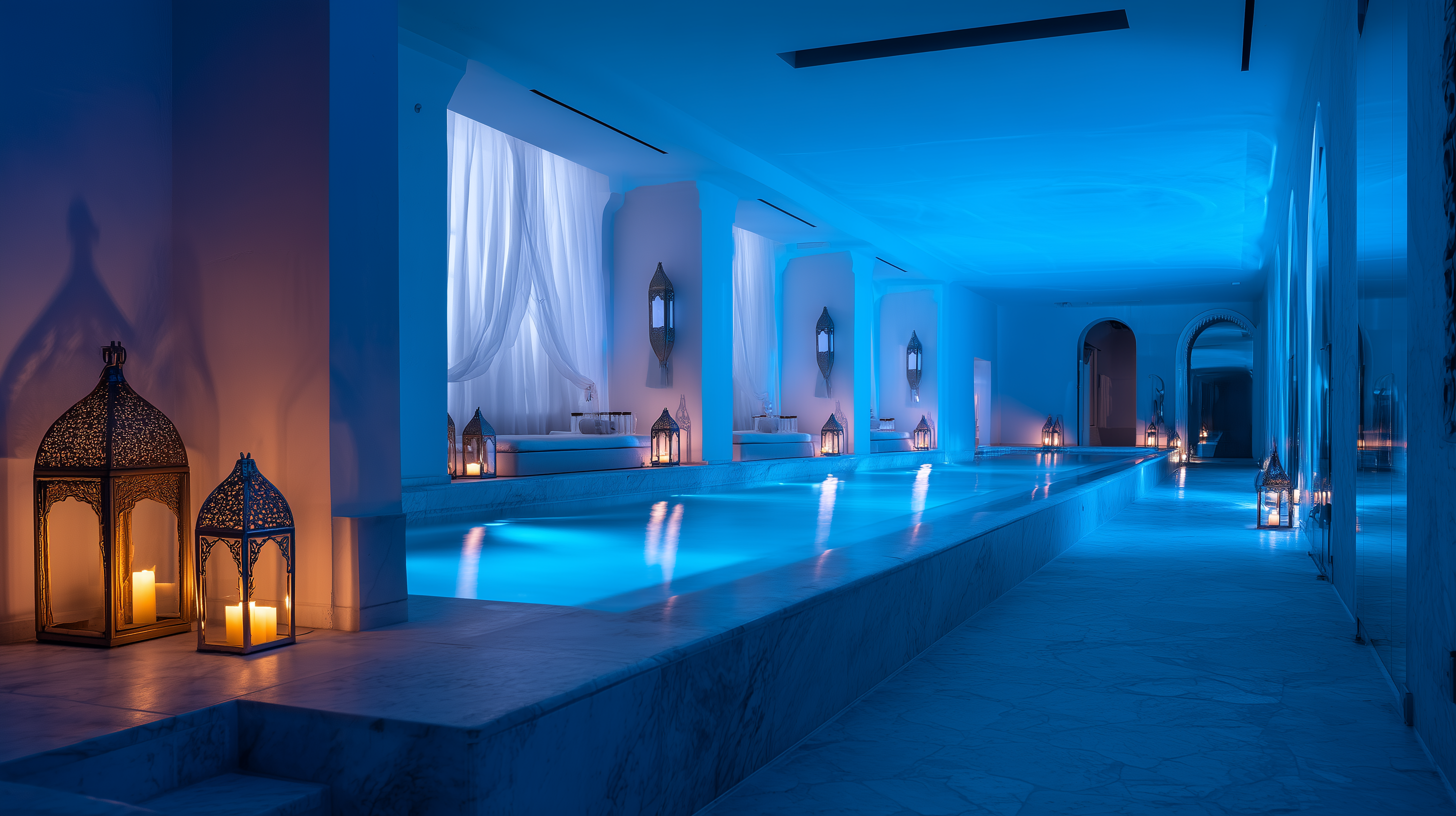
Hydrotherapy: Water as Recovery
Hydrotherapy uses water at different temperatures and pressures to relieve pain, improve mobility, and speed recovery. Here's what works and what doesn't.
What is hydrotherapy?
Hydrotherapy is the therapeutic use of water — at varying temperatures, pressures, and forms — to relieve pain, improve mobility, and support recovery. Water changes the environment your body moves and rests in: buoyancy reduces load on joints, warm water relaxes muscles, cold water dulls soreness and shifts circulation, and hydrostatic pressure changes how blood and lymphatic fluid move through the limbs. 1
That combination makes hydrotherapy one of the most versatile wellness tools available. It spans everything from clinical rehab pools and hot tubs to cold plunges, contrast baths, mineral springs, and simple home routines. The common thread is using water’s physical properties — temperature, pressure, buoyancy — to do something your body cannot easily do on dry land.
Where did hydrotherapy come from?
The Romans built elaborate thermae for bathing, exercise, and recovery. Thermal bathing traditions persisted across Europe and Asia for centuries — from Turkish hammams to Japanese onsen to Finnish saunas — before modern medicine formalized any of it. In the 19th century, Vinzenz Priessnitz systematized “hydropathy” in Europe, and Sebastian Kneipp later popularized alternating hot and cold water applications that still influence spa and naturopathic practice today. 2
Modern hydrotherapy is less about “water cures” and more about targeted applications. In clinical rehab, it usually means supervised aquatic therapy in a warm pool. In wellness settings, it means soaking, thermal circuits, cold exposure, mineral bathing, or alternating temperatures to change how the body feels and functions.
What types of hydrotherapy do people actually use?
Hydrotherapy is an umbrella term, not one single treatment. The most common types are hot or cold immersion, aquatic exercise, contrast therapy, balneotherapy, and Kneipp therapy. 3
Immersion: hot tubs, warm pools, cold plunges, and contrast baths
This is the version most people know. Sitting in a warm therapy pool, soaking in a hot tub, plunging into cold water, or alternating between hot and cold in contrast baths. These work through temperature, pressure, and the simple physics of being submerged.
Aquatic exercise
Aquatic exercise is hydrotherapy plus movement: pool walking, water aerobics, resistance exercises, and therapist-led rehab drills. The water reduces impact while still providing resistance, which makes it especially useful for people who hurt on land but can move freely in a pool. 4
Balneotherapy
Balneotherapy is therapeutic bathing in mineral-rich thermal or spa water. It overlaps with standard hydrotherapy but is discussed separately in research because the mineral content and spa environment may contribute additional effects beyond heat and immersion alone. 5
Kneipp therapy
Kneipp therapy is the classic hot-cold-water tradition: alternating affusions, foot baths, arm baths, and treading water rather than fancy equipment. Sebastian Kneipp popularized these simple water applications in the 19th century, and the approach still anchors much of European spa culture. 2
Does hydrotherapy help with arthritis and joint pain?
Yes. Hydrotherapy is one of the best-supported treatments for arthritis symptoms, and the reason is straightforward: warm water makes painful joints move better.
A Cochrane review on knee and hip osteoarthritis found that aquatic exercise produces meaningful improvements in pain, disability, and quality of life. 4 The mechanism is simple: warm water reduces joint loading and makes stiff joints willing to move, which helps people build strength and mobility with less irritation.
Balneotherapy adds another layer. Thermal mineral water bathing improves pain and function in osteoarthritis, and a 2025 BMJ Open review reached a similar conclusion for broader rheumatic conditions. 56 For people with arthritis who dread exercise because it hurts, stepping into warm water and feeling their joints loosen is often the moment that changes everything.
Can hydrotherapy help with chronic pain?
Aquatic exercise improves pain, physical function, and quality of life in adults with chronic musculoskeletal disorders compared with no exercise or usual care. 7 That finding holds across multiple reviews and conditions.
Fibromyalgia responds particularly well. Warm-water exercise and pool-based therapy let people move with less fear and less flare-up, which breaks the cycle of pain, inactivity, and deconditioning that makes chronic pain worse over time. 8
The real value of hydrotherapy for chronic pain is not that water is magic — it is that water makes consistent movement possible for people who otherwise cannot tolerate it. And consistent movement is the single most evidence-backed treatment for chronic pain.
What about circulation, recovery, and soreness?
Warm-water immersion opens blood vessels and acutely changes blood flow and vascular function. Newer reviews suggest repeated hot-water immersion produces cardiovascular benefits similar to what you see with regular sauna use. 9
For exercise recovery, cold-water immersion reduces muscle soreness over the next one to four days compared with passive recovery. A Cochrane review confirmed the effect, and it is one of the reasons cold plunging has become a staple in athletic recovery. 10
Contrast water therapy — alternating hot and cold — sits in a sweet spot. It reduces delayed-onset muscle soreness compared with passive recovery, and many athletes find the hot-cold cycling more enjoyable and energizing than cold alone. 6
How is hydrotherapy different from hot tubs, float tanks, and Epsom salt baths?
Hot tubs are one form of hydrotherapy, but hydrotherapy is much broader. A hot tub gives you warm immersion and hydrostatic pressure. Clinical hydrotherapy adds structure: a specific temperature, therapist supervision, or a defined exercise protocol.
Float tanks overlap with hydrotherapy but are really their own category. The water is skin-temperature and saturated with Epsom salt so you float effortlessly. The best-supported effects are deep relaxation and short-term reductions in anxiety and pain, driven more by sensory deprivation than by the water itself. 11
Epsom salt baths are where wellness lore gets ahead of evidence. Warm baths absolutely help people relax, but strong evidence that meaningful magnesium is absorbed through the skin during ordinary baths is still lacking. The warm water does the work — the Epsom salt is a nice addition, not a proven game-changer. 12
What happens at a hydrotherapy facility?
In a rehab clinic, expect a warm pool, a therapist, simple exercises, and a focus on pain-free range of motion, walking, balance, or strength. It feels more like gentle rehab than a luxury spa treatment. 13
In a wellness facility, the experience is more circuit-based. You rotate through a warm pool, hot tub, cold plunge, steam room, or rest area. The emphasis is relaxation and recovery rather than formal rehabilitation. The best thermal circuits create the same vascular cycling that makes contrast therapy so effective, scaled up to a full-body experience across multiple stations.
How do you start hydrotherapy at home?
Match the tool to the goal instead of trying to recreate a spa. For stiffness or general relaxation, start with a warm bath or hot tub soak. For sore legs after hard training, try a brief cold shower or cold tub. For exercise, a community pool is usually more practical than buying equipment.
A good beginner routine is boring on purpose. Warm water for 10 to 20 minutes when you feel stiff. Cold water briefly after hard training if soreness is the main goal. Pool walking or water exercise one to three times per week if joint pain makes normal exercise hard. Consistency matters more than exotic protocols.
Who should be careful with hydrotherapy?
People should be cautious with hot water if they are pregnant, prone to overheating, or have unstable cardiovascular conditions. Open wounds, active skin infections, fever, and certain uncontrolled medical conditions can make pool-based therapy inappropriate until cleared. 14
The practical rule is simple: stop if you feel dizzy, faint, short of breath, or unwell. Hydrotherapy should make movement feel safer and more manageable, not like a toughness test.
So is hydrotherapy worth trying?
Yes. Hydrotherapy is one of the most accessible and versatile recovery tools available, and the evidence is strongest where it matters most: helping people in pain move better and feel better.
The best case is for warm-water exercise and aquatic therapy in arthritis and chronic musculoskeletal pain. The evidence for contrast therapy and cold-water recovery is strong and growing. Even simple warm baths and home routines deliver real benefits for stiffness, relaxation, and daily comfort.
Water has been used therapeutically for thousands of years because it works. Modern research is confirming what every culture with a bathing tradition already knew: immersing your body in water at the right temperature changes how you feel, how you move, and how you recover.
Frequently Asked Questions
Do I need to know how to swim to do hydrotherapy?
No. Most hydrotherapy programs happen in chest-deep water with simple walking, balance, or strength work rather than swimming laps. Many rehab pools have handrails and non-slip floors specifically designed for people who are not swimmers.
Is hydrotherapy better than regular exercise?
Not a replacement — a complement. Hydrotherapy is best understood as a way to make exercise possible or more tolerable when pain, stiffness, body weight, or injury make land exercise harder. For people who can exercise on land without pain, regular exercise delivers more overall fitness benefit.
Are mineral springs actually better than plain water?
The research leans toward yes for some conditions. Balneotherapy studies suggest added benefit from mineral-rich thermal water for osteoarthritis and certain rheumatic conditions, but it is hard to fully separate the minerals from the heat, immersion, and relaxation of the spa setting.
Can hydrotherapy help if I hate cold plunges?
Absolutely. Hydrotherapy is not synonymous with cold exposure. Warm-water therapy and aquatic exercise have stronger evidence for pain and joint function than cold plunging does. If cold water is not your thing, warm hydrotherapy still delivers.
Is a hot bath “real” hydrotherapy?
Yes. A warm bath is the simplest and most accessible form of hydrotherapy. It is less targeted than clinical aquatic therapy, but the principles — heat, immersion, hydrostatic pressure — are the same.
How long before I notice a benefit?
Many people feel looser and more comfortable after a single session. Meaningful changes in pain and function usually come from repeated sessions over weeks, especially when hydrotherapy supports regular movement. The payoff compounds with consistency.
Can I combine hydrotherapy with sauna?
Yes, and many people do. A thermal circuit that includes warm water, sauna, and a cold plunge combines the benefits of all three. This is essentially what Finnish sauna culture, Korean bathhouses, and Russian banyas have practiced for centuries — and what modern contrast therapy protocols formalize.
Is hydrotherapy safe during pregnancy?
Warm baths at moderate temperatures are generally fine, but avoid very hot water (above 100 F / 38 C), especially in the first trimester. Elevated core body temperature poses risks to fetal development. Skip hot tubs, saunas, and cold plunges during pregnancy unless your obstetrician specifically clears them. 14
How is hydrotherapy different from just taking a bath?
Intent and structure. A bath is passive soaking. Hydrotherapy applies specific temperatures, durations, or movement protocols to target a goal — whether that is pain relief, joint mobility, recovery, or cardiovascular conditioning. The line between “a nice bath” and “hydrotherapy” is less about the equipment and more about how deliberately you use the water.
What is the best water temperature for hydrotherapy?
It depends on the goal. Warm therapeutic pools typically run 92-100 F (33-38 C) for joint mobility and relaxation. Cold water for recovery is most effective around 50-59 F (10-15 C). Contrast protocols alternate between the two. Start at comfortable temperatures and adjust based on how your body responds.